


1. Poor breath is potentially a sign of poor oral hygiene or gum disease.
The technical term for bad breath is halitosis. Bad breath can also be a sign of a sinus infection. Your dentist may be able to tell if the odour is noticeable when you breathe out through your nose.
Or it could point to acid reflux, or sleep apnoea – people with sleep apnoea are more likely to breathe through their mouths at night, resulting in a dry mouth. Dry mouth equals bad breath.
Dr Batavia our practice associate says “Other possible reasons include diabetes, alcohol abuse, or low immunity. All underlying health conditions which may have to be investigated by the GP.”
How we can help: if it is a case of poor oral hygiene or gum disease, your dentist or dental hygienist will take the necessary steps to help you, if not then they will refer you to your GP or doctor.

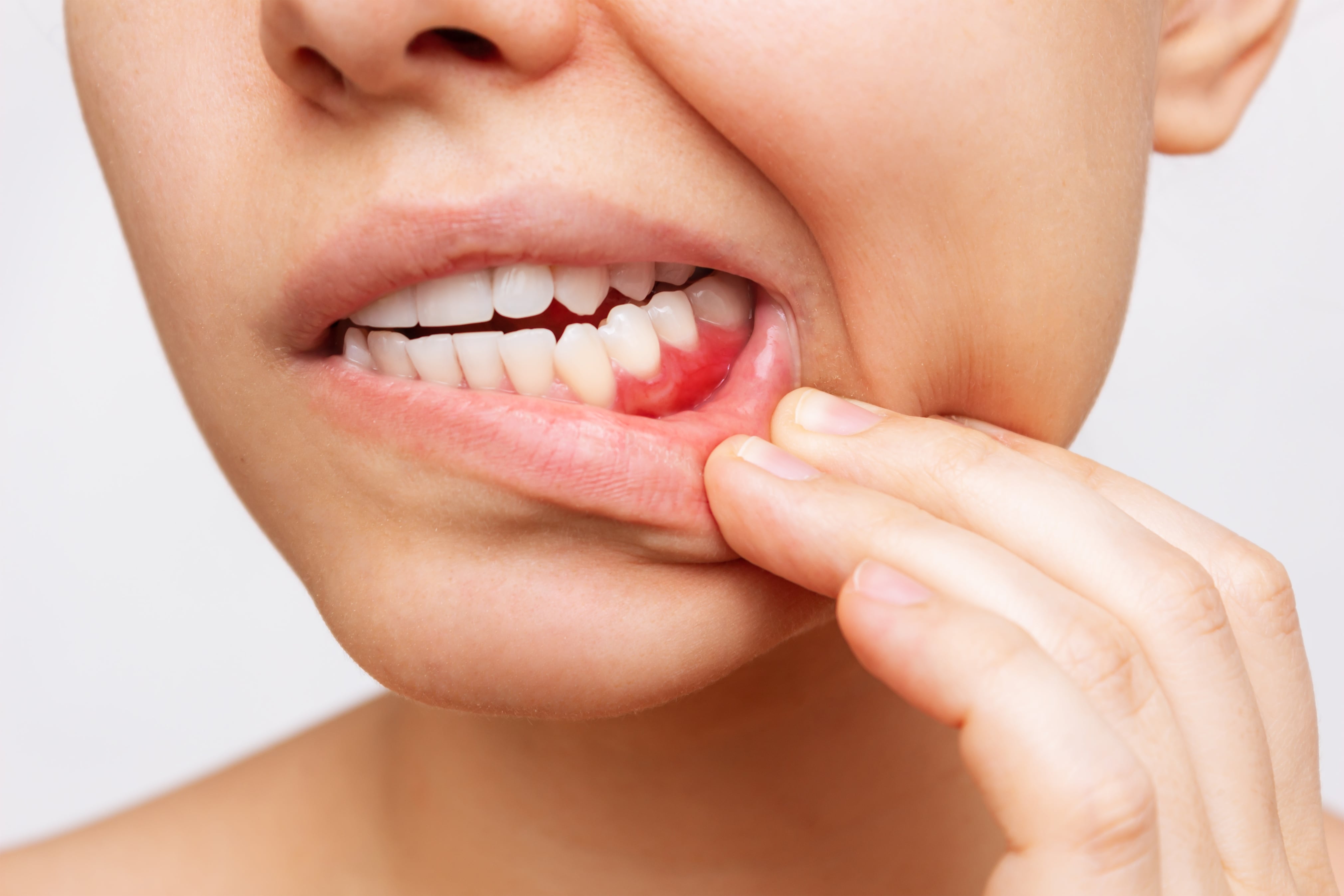
2. Bleeding Gums
Usually a sign of gum disease and a link to diabetes, especially if the bleeding is continuous every time you floss.
Sometimes we all fall off the flossing bandwagon and then when we start again, our gums bleed for the first few days, this is entirely normal.
Dr Batavia says “localized or generalised gum problems need the dentist and hygienist’s help to avoid becoming worse. Untreated gum disease can compromise the mouth. It can develop into sores and ulcerated gums – the total area can be as large as the palm of your hand.
Pregnant women in particular need to pay attention to oral hygiene as they are more susceptible to gum disease.
Dr Batavia comments “imagine shaking hands with someone and blood was transferred, you would not accept that. So why are we more accepting of bleeding in the mouth!”
Persistent bleeding could indicate you are pre-diabetic or diabetic and you just don’t know it. You may have already been diagnosed but your blood sugar isn’t quite under control. The link between diabetes and gum disease is not fully clear, however statistically, being a diabetic makes you more vulnerable to infection and this may be the link.
Gum disease is the main reason why people lose teeth, and therefore it is very important to get the medical and dental help you need to maintain your oral health.
Action to take: see your doctor to get tested for diabetes and therefore get it under control and your dentist for support with how to manage your oral health better to avoid long term problems with your teeth.
3. White Patches on your tongue
What this could reveal … the health of your immune system! If there are white patches on your tongue or inner cheek it could point to an overall health issue.
Dr Batavia says “oral thrush (overgrowth of candida) causing white patches on your tongue or in your mouth signal that your immune system is a bit under the weather. Candida exists in our bodies all the time, but it is kept in check by a healthy immune system.”
There can be so many reasons why you may develop thrush, for example, if you are undergoing chemotherapy or radiation, or have HIV, or are taking a course of antibiotics or using corticosteroids for a condition like asthma.
Next step: Your dentist will recommend seeing your doctor, who may prescribe an antifungal medication or other appropriate medication to help you clear away the patches.
4. Worn Down Teeth from clenching or grinding
This reveals more than you think as stress can take its toll in many ways.
“As part of a normal thorough check-up the dentist will notice the amount of tooth wear present” says Dr Batavia.
He continues “Lack of proper sleep, stress, jaw and tooth grinding, jaw clenching are all causes of excessive toothwear. It’s important to take time to find out the reasons and to make changes to alleviate stress. Awareness and controlling these responses to stress are possible during the day, and at night I recommend using mouthguards.”
You may not consciously realise how stressed you are, although it is taking its toll on your body. Some people will end up with flattened teeth. Jaw clenching can lead to severe damage to the tissue in the joint that connects your jaw to the rest of your skull.
Help is at hand: your dentist can help by fitting you for a protective device like a mouth guard to use at night to minimise the damage. Because this is fitted for you it is quite comfortable and most patients get used to wearing them within a week or so.

5. Wobbly Teeth and other child dental health issues
Children's dental health often involves spotting signs of small problems - caused by dietary or other habits like sucking dummies or thumbs or fingers! All of these affect the growth of their teeth. These habits can also affect the way their teeth meet and therefore the growth of their jaws.
Dr Batavia comments “I often see white spots on the teeth which indicates the consistent presence of sugar in the child’s diet. If that continues it can give rise to decay.
Moreover, treating children’s teeth for decay is not always as simple as treating adults! Therefore you really want to use the motto "prevention is better than cure" to safeguard childrens'dental health.
So seeing all these little things can help guide parents as to what changes they need to make and it’s important to talk to the dentist about this.”
If a child’s teeth and jaw does not develop normally, this can mean more orthodontic treatments later in life. Often these irregularities are caused by sucking thumbs, fingers or dummies.
Being able to see the signs early means measures can be taken to encourage the child to give that up.
Another good reason to bring your children to the dentist early is that a positive experience of the dental practice will reduce anxiety about visiting the dentist. Regular visits will mean less costs in the long run.
Family Friendly Dentistry - a review from a patient.
Dr Batavia’s approach is “to try and treat children like adults and speak directly to them and give direct advice. Children often respond positively and take the advice and which results in better dental health for the rest of their lives.”

6. Dry Mouth
Could your medications be giving you a dry mouth? Or stress?
Or an auto-immune condition that affects the moisture producing glands in the body, however this is most commonly diagnosed in people over 40 and usually women.
Your dentist will ask you about any medication you may be taking that lists dry mouth as a side effect e.g antihistamines, and he will also check if you are also experiencing dry eyes.
The reason why it is important not to ignore a lack of saliva in the mouth is that this can ultimately lead to tooth decay in the mouth as well as have other detrimental effects in other parts of your body.
Dr Batavia stresses “Saliva is so important to lubricate the mouth. It automatically clears things from the mouth, and washes bacteria away, as well as having various anti-bacterial properties. Having a dry mouth consistently gives rise to a huge amount of dental difficulties and the patient may find it difficult to chew. “
Action to take: The dentist will suggest you get your doctor to give you a referral to a rheumatologist.

7. Lesions at the back of your mouth
This could be a sign of oral cancer, and therefore extremely important that your dentist regularly checks the soft tissues in your mouth for signs like lesions.
Dr Batavia : “I routinely check for any changes in the soft tissues of the mouth at every check-up. Any lesions or abnormalities are noted and then examined to see if it is worth investigating further. The earlier we can detect such abnormalities the better and also the chances of being able to treat it well. It is important to remember that sometimes this is oral cancer but not always.”
Tip: Any good dentist will do these checks for oral cancer as part of your 6 monthly check-ups.
For further information on oral cancer: http://www.mouthcancer.org
At Ravenscourt Dental Practice during every dental checkup we examine if you have any of these issues preventing further damage to your oral or overall health.