


Dental decay is a common problem here in the UK.
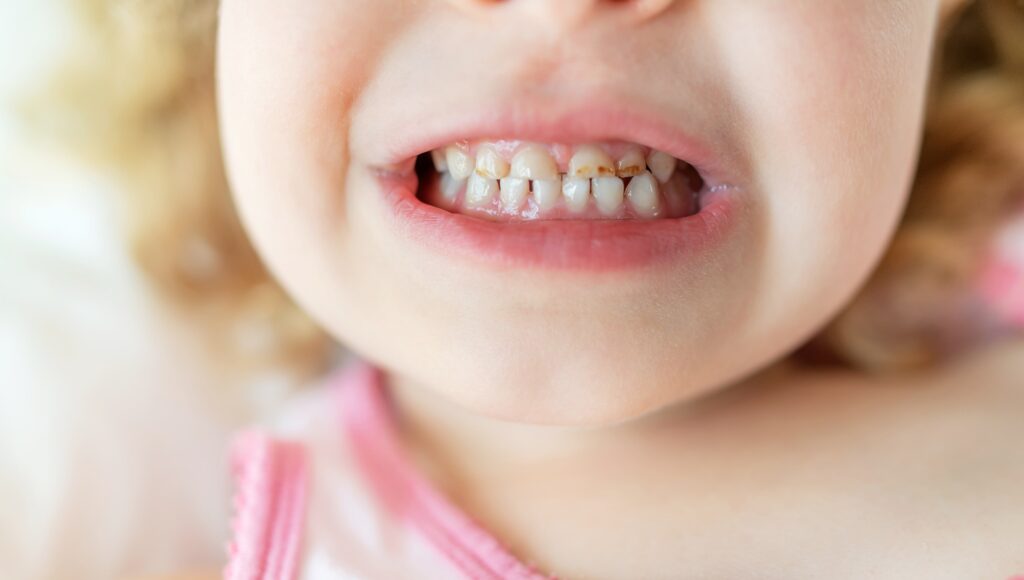
So much so that over half of adults over the age of 18 have at least one decayed tooth, and around 24% of children have visually obvious tooth decay, according to the GOV.UK website.
The main culprit?
Sugar.
In all its forms, from the crowd-favourite fizzy pop to irresistible sweets, chocolate bars, and more, too much sugar can be bad for our teeth.
But how exactly does sugar cause cavities?
Discover everything you need to know in this post with the Ravenscourt Dental experts.
How does sugar cause cavities?
Your mouth is full of hundreds of different types of bacteria, most of which are incredibly helpful when it comes to maintaining your oral health.
However, among them are some less welcome candidates which love to feed on the sugars you consume, creating acids that eat away at our tooth enamel. This is the outer layer of the tooth, which protects the layers underneath, including the dentin and dental pulp – the central part of the tooth that contains nerves and blood vessels.
Of course, eating sugar in moderation and making sure to follow an adequate oral hygiene routine won’t cause you any harm, but the more refined and processed sugars you eat, the more acid is produced, which could potentially cause holes (AKA, cavities) in the teeth, painful toothache, and even the loss of the tooth if left untreated.

Do natural sugars cause tooth decay?
Apples. Oranges. Bananas. Berries…
These fruits all contain natural sugars, and whilst they’re definitely healthier than the refined and processed sugars found in all our favourite treats, they can still cause tooth decay if you’re not careful.
It’s still safe to get your five a day in, but remember, it’s more about the frequency of your sugar intake than the type of sugar you consume, so be sure to keep it to a minimum and take extra good care of your teeth.

Stages of dental decay
- Demineralisation - The first sign of tooth decay presents itself on the tooth’s surface, AKA, the enamel. The enamel is (mostly) made up of minerals, and when the teeth are exposed to acids produced by plaque and bacteria, it begins to lose these minerals and wear away. Signs of demineralisation include white spots on one or more of your teeth.
- Enamel decay - If tooth decay isn’t stopped in its early stages, then it will continue to erode the enamel. You may notice any white spots on your teeth begin to darken to a brownish colour, and small holes, known as cavities, start to form. Any cavities must be filled as soon as possible by your dentist to prevent further decay and infection.
- Dentin decay - Dentin is the layer of tissue beneath the enamel, which is much softer and more easily damaged by acids. Once decay reaches this point, it starts to progress at a much quicker rate, and you may start to experience new symptoms like sensitivity to hot and cold. Again, seeing your dentist as soon as possible is vital at this stage to prevent more extensive damage.
- Pulp damage - If left untreated, the pulp, AKA the innermost layer of the tooth that’s made up of several nerves and blood vessels, will become irritated and swollen, which can potentially place pressure on the nerves and cause serious pain, and even infection. If the roots are impacted at this stage, you’ll either need a root canal to save the tooth, or you may need to have the tooth removed altogether.
- Abscess formation - If the pulp becomes infected, a pocket of pus, otherwise known as an abscess, may form at the root of the tooth, leading to pain and potential spread of infection.
Other symptoms include the swelling of the gums, face, or jaw, fever, and swollen lymph nodes.
How to prevent cavities
The best way to prevent cavities is to practice good oral hygiene and think carefully about your sugar intake. It is preferential to manage with preventative care, rather than cavity treatment, Hammersmith.
You should brush your teeth with a fluoride toothpaste at least twice every day, and floss between your teeth once daily, ideally at night, to ensure the surfaces of your teeth and your gum line are free from food debris and enamel-eating bacteria. You should also make sure to attend regular dental checkups, so that if you do have any early signs of decay, your dentist can offer advice and resolve the problem before it escalates to something more serious.
As sugar is the primary food source for this bacteria, you should also try and limit your consumption, keeping sweets, chocolates, fruit juices, and fizzy drinks. If possible, opt for healthy snacks, like nuts and seeds, crunchy fruits and vegetables, or cheese, to neutralise acids and increase saliva flow.
Need more expert advice?
Whether you’re experiencing symptoms that point to tooth decay or you’d like more advice on how you can avoid it, our expert team is here and would be more than happy to help.
Call us on 020 8748 4023 or email us at [email protected], and we’ll get back to you as soon as possible.
Alternatively, you can arrange an appointment online via our convenient online booking system, and we’ll look forward to seeing you soon!