


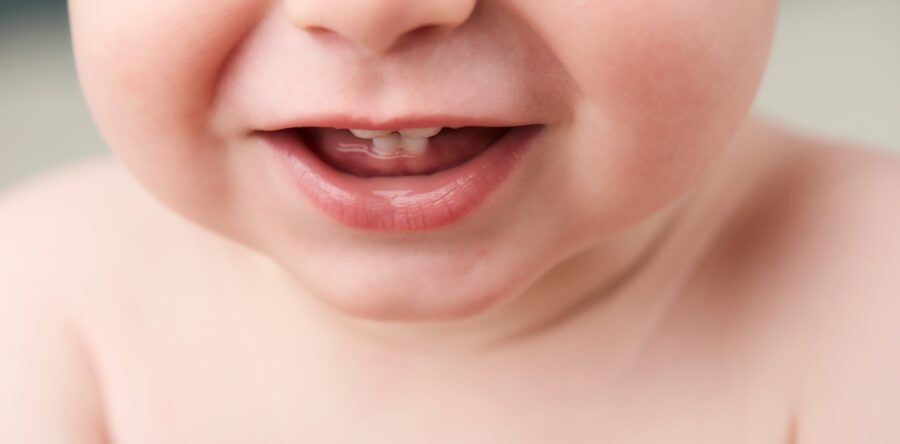
Suspect your child has started teething? Here are some of the most common tell-tale signs
How do you know if your child is teething?
Your child’s first tooth. A milestone that, as a parent, you’re probably looking forward to.
But reaching that milestone isn’t easy for your little one.
Teething can be extremely troubling and, not to mention, painful for your child. And to make matters worse, it’s difficult for your infant to express their pain how we do as adults because they’re so young.
But, luckily, there are some tell-tale signs you can be looking out for.
In this post, our expert paediatric dentists at Ravenscourt Dental Practice discuss some of the most common teething symptoms.
When do babies start teething?
When it comes to teething, all babies are different, but most will get their first teeth at some point before their first birthday.
Some babies are born with their first teeth, while others begin teething between 4 and 12 months old – sometimes even when they’re over a year old.
There’s no way to tell when exactly your child will start teething, but there are some unmistakable signs and symptoms you can look out for.
What symptoms should I look out for?
In some cases, baby teeth emerge with no pain or discomfort at all – but at other times, you may notice:
Drooling
Babies drool at the best of times, but it’ll happen even more than usual when they start teething - and is likely to continue for as long as their teeth carry on coming in.
Crying or whining
Teething causes a great deal of pain and irritation, so it’s only natural for babies to cry if the pain is bothering them. How else are they meant to express their feelings at this age?
If your child is in pain, the good news is that they’ll likely become accustomed to what it feels like, and they won’t be so disturbed by it as time moves on.
Irritability
The aching feeling can, unsurprisingly, cause your little one to act out.
Some may only be irritable for a few hours, while others can stay fussy for a couple of days.
Biting/chewing
The pressure from their teeth poking through from under their gums causes a lot of discomfort for babies, which naturally, they relieve with counter-pressure – aka, biting and chewing.
Coughing or a gag reflex
Due to excessive saliva caused by teething, it’s normal for children to cough and gag. While it may sound scary, it’s not usually a cause for concern – so long as your baby has no other signs of a cold, flu or allergies.
These are just some of the symptoms your baby could suffer from. Every baby will experience teething differently. But knowing what symptoms to look out for will help you and your youngster through this exciting milestone.
What can I do to help ease some of their symptoms?
Fortunately, there are a couple of things you can do to alleviate some of your baby’s teething symptoms.
Teething toys are a great tool if you’ve noticed your baby chewing or biting objects around the home.
The gumming action provides much-needed counter pressure, which helps relieve the pain as growing teeth erupt from the gums.
You could also try giving them something cold to soothe the pain – such as a cold drink or snack. You could even pop their teething toys into the fridge for a little while to help numb their gums.
If nothing seems to be working, you can always try some appropriate pain relief medication – like Neurofen or Calpol. If they have a temperature, this will also work to bring that down.
Is there anything I should avoid doing?
When looking for tools to help alleviate your little one’s teething pain, you should avoid giving them teething jewellery, like necklaces, for example.
If the jewellery breaks, you run the risk of one of the beads getting lodged in their throat, blocking their airways and causing them to choke.
It can also cause strangulation if the necklace is wrapped too tightly around the neck, as well as increased irritation and even infections.
Need expert help?
There’s no denying how difficult teething can be for our little ones, so if you need further help and guidance, we’re here for you
At Ravenscourt Dental Practice, our expert children’s dentist in London is here and more than happy to help if you have any concerns about your child’s teething.
To book an appointment, call the practice on 020 8748 4023 or reach out to us via email and we’ll be in touch with you shortly to discuss your worries and requirements in more detail.